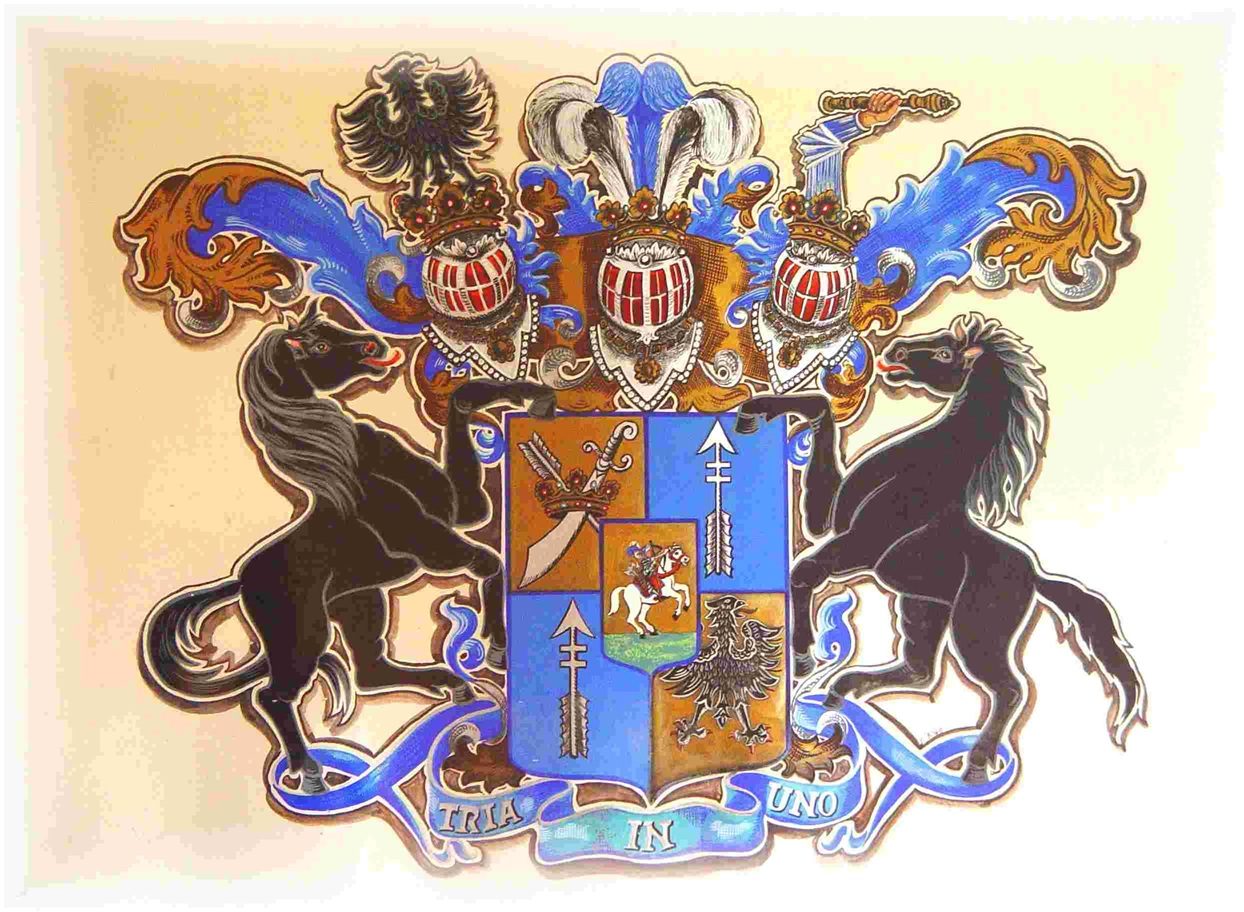
Fedor (Théodore) Artemeïvitch Tereshchenko
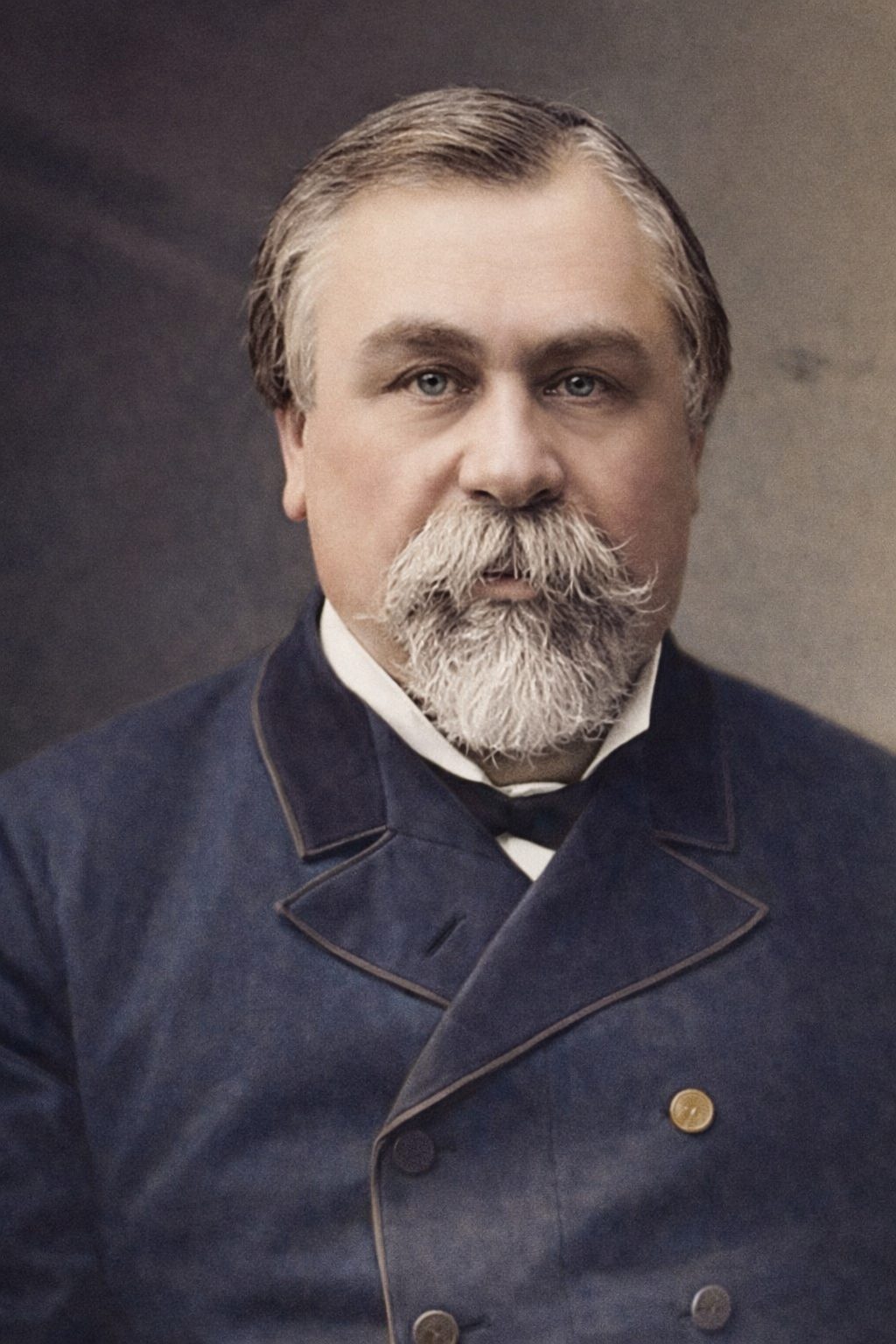
Fedor (Théodore) Artemeïvitch Tereshchenko
Il était le frère de Nicola et Simeon, fils de l'industriel et magnat du sucre Arteimon Tereshchenko. Il est né à Hlukhiv, dans l'oblast de Soumy, en 1832 et a fait ses études à Moscou, Berlin et Paris. Il était fabricant de sucre, industriel, propriétaire terrien et philanthrope.
Intérêts industriels
Dans les années 1880 et 1890, Fedor contrôlait ou avait des intérêts dans :
- sucreries
- cultures de betteraves
- moulins à farine
- distilleries
- grandes exploitations agricoles
- les liaisons ferroviaires desservant les usines
Ses entreprises ont contribué à faire des Tereshchenko l'une des familles les plus riches de l'empire.
Philanthropie
Comme son père, Fedor était connu pour ses dons caritatifs importants, soutenant des écoles, des hôpitaux, des églises, des établissements d'enseignement et des travaux publics. La famille Tereshchenko est devenue l'un des principaux bienfaiteurs philanthropiques de Kyiv.
Leurs domaines s'étendaient sur plus de 700 000 hectares dans le sud de la Russie et ils exploitaient plus d'une douzaine de grandes raffineries de sucre employant plus de 60 000 travailleurs. Il a d'abord été marié vers 1855 à Maria Pavlovna Podlaneva, mais l'on sait peu de choses sur les circonstances de cette union et aucun descendant n'en est issu. On disait qu'Arteiman n'était pas d'accord et le mariage a été annulé quelque temps plus tard, puis plus jamais mentionné.
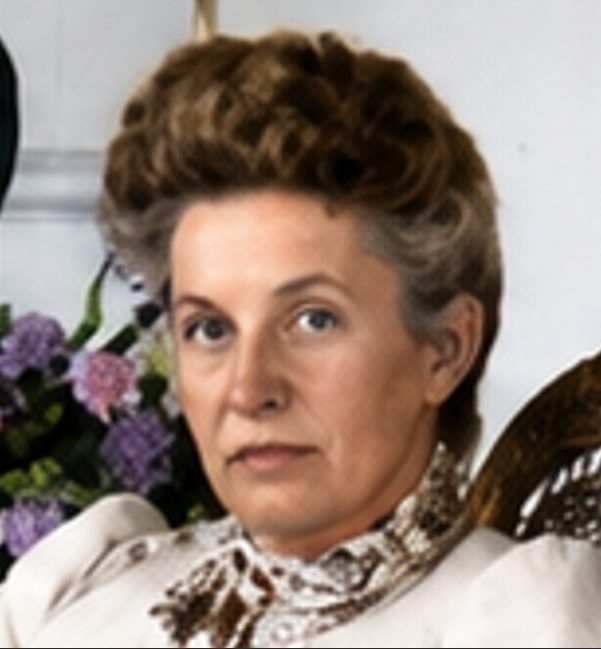
En 1883, il épousa Nadejda Vladimirovna Khlopoff. Sa famille appartenait à un ordre de la vieille noblesse, descendant directement de Riourik et du roi Pépin le Bref, père de Charlemagne. Sa famille possédait également d'importants domaines terriens qui venaient compléter ceux des Tèreshchenko, tant en Ukraine qu'en Russie. Ensemble, ils eurent trois enfants : Nadejda, Nathalie et Fedor (Théodore Jr.).
En 1893, il participe à l'Exposition universelle de Chicago pour représenter les entreprises industrielles de Tereshchenko, comprenant une usine de bière et de vodka, des exportations de betteraves sucrières et des machines de transformation. Il est mort à Moscou le 12 juin 1894, léguant d'importantes liquidités, des domaines, des usines industrielles et des propriétés agricoles à son fils Fedor Jr. et à ses deux filles. Voir Testaments.