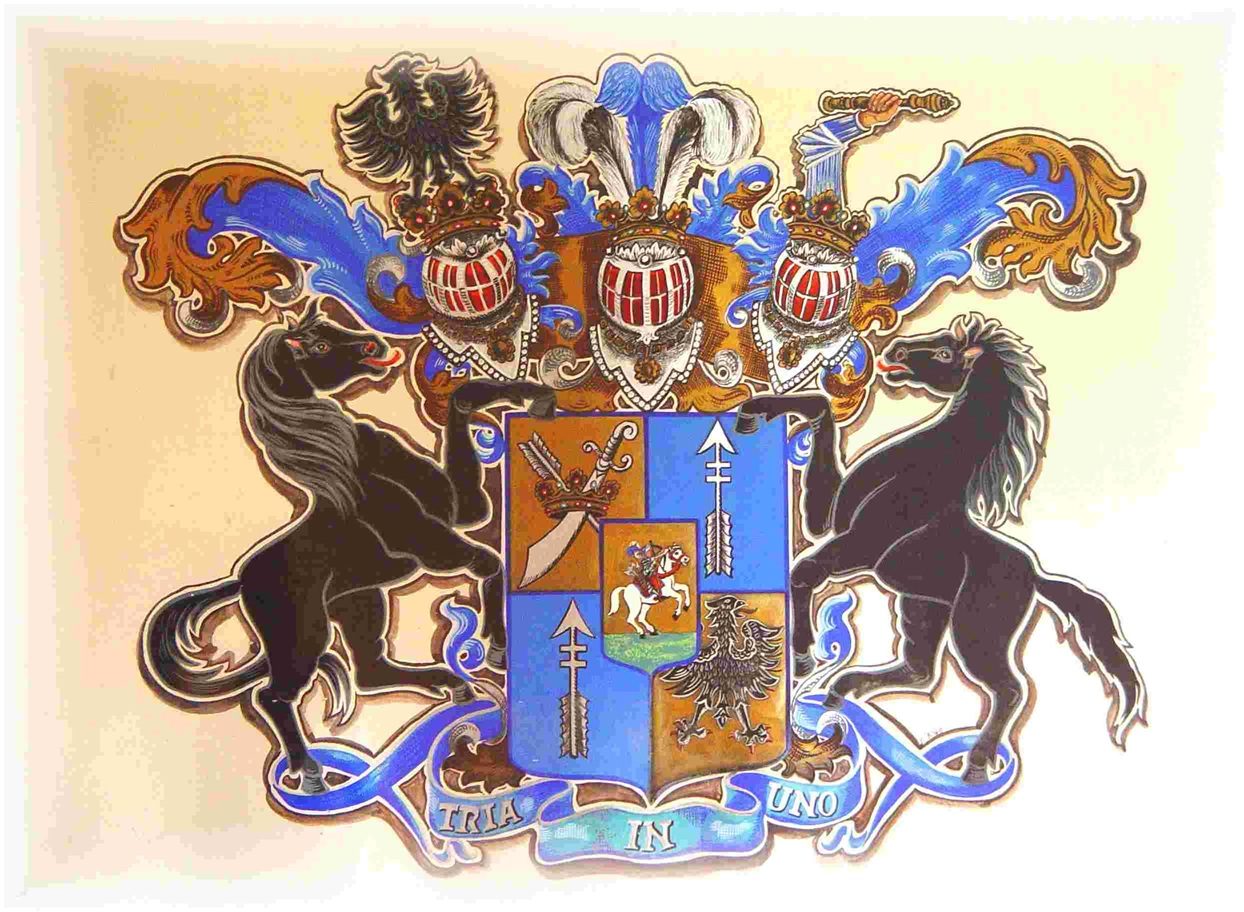
El AVIÓN TERESHCHENKO
El AVIÓN TERESHCHENKO
DESIGN and MANUFACTURING HISTORY
1908 – 1918
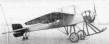
Tereshchenko, Zembinsky

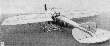
Tereshchenko 5

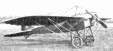
Tereshchenko 5bis

Tereshchenko-7

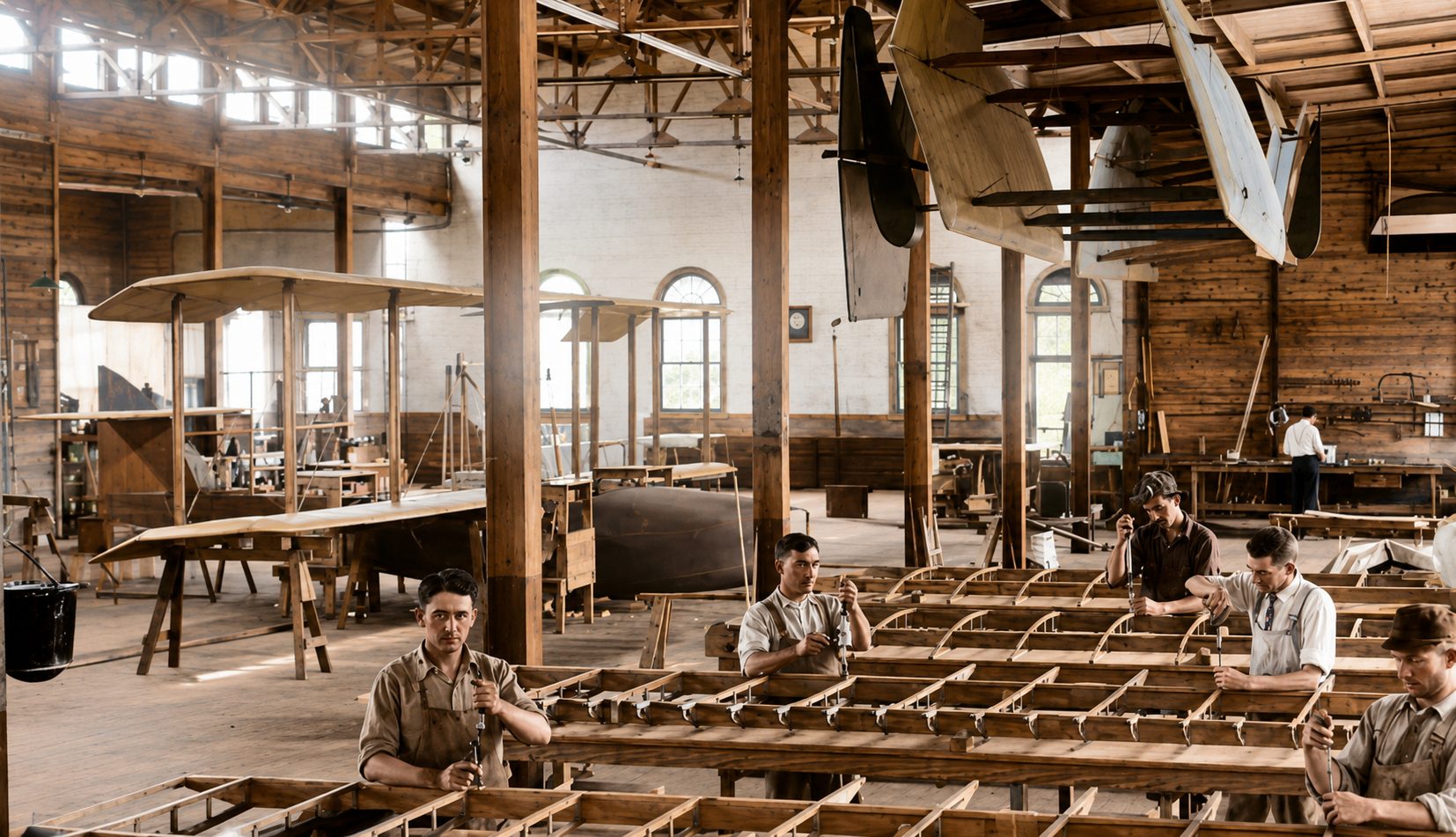
The aircraft factory at Chervone in Zhytomir Oblast circa 1915 with Tereshchenko-7 model production underway
Fedor Fedorovich Tereshchenko was one of the most important pioneers of aviation in the Russian Empire and what is now Ukraine. Although the Tereshchenko family became wealthy through sugar manufacturing, Fedor devoted much of his inheritance to aviation rather than the family business.
The Tereshchenko Aircraft Business
Rather than purchasing aircraft from France, Fedor wanted to establish a domestic aircraft industry.
1909–1910
- Purchased a Blériot XI and learned to fly.
- Built his own first monoplane based on, but improving upon, the Blériot concept.
- Displayed his aircraft at the All-Russian Aeronautical Congress in Moscow.
Chervone Aviation Workshops
At the Tereshchenko family estate at Chervone Estate, Fedor established:
- an aerodrome
- engineering workshops
- aircraft assembly facilities
- engine repair shops
- pilot training facilities
Many historians regard this as the first true aircraft manufacturing enterprise in Ukraine.
Aircraft Produced
The Tereshchenko works produced a succession of increasingly sophisticated aircraft:
|
Aircraft |
Approx. Year |
Notes |
|---|---|---|
|
Tereshchenko Monoplane |
1909 |
First experimental design |
|
G-2 |
1910 |
Designed with Dmitry Grigorovich |
|
G-3 |
1910 |
Improved sports aircraft |
|
Tereshchenko No. 3 |
1911 |
Demonstrated during Kyiv Aviation Week |
|
Tereshchenko No. 5 |
1913 |
Military reconnaissance monoplane |
|
Tereshchenko No. 5bis |
1914 |
Improved version |
|
Tereshchenko No. 6 |
1915 |
Wartime development |
|
Tereshchenko No. 7 |
1916 |
Two-seat military aircraft capable of about 150 km/h |
Military Contracts
By 1913, Fedor had become an official contractor to the Imperial Russian War Ministry.
His company:
- built aircraft for military use,
- developed new wing-control systems,
- manufactured bomb racks and machine-gun mounts,
- assembled roughly 20 aircraft per month during part of the First World War after relocating operations to Moscow.
Important People Who Worked With Him
Among those associated with his aviation enterprise were:
- Dmitry Grigorovich, later one of Russia’s greatest aircraft designers.
- Lyubov Golanchikova, hired in 1913 as one of the world’s first female test pilots to evaluate Tereshchenko aircraft.
- Igor Sikorsky, later the pioneer in helicopter design
Innovative Features
Fedor held patents on aircraft improvements, including:
- variable wing camber,
- improved control surfaces,
- lighter monoplane construction,
- adaptations for military reconnaissance.
These innovations were intended to reduce dependence on imported French aircraft technology.
End of the Business
The business was ultimately destroyed by the upheavals of the First World War and the Russian Revolution.
- 1915: workshops moved from Chervone to Moscow because of the advancing front.
- 1916: factory sold to Dux.
- 1917–1918: family estates and remaining assets nationalized.
- Fedor emigrated to France, where he never re-established an aviation company and lived modestly until his death in 1950.
Why This Matters
Fedor Tereshchenko’s importance is often overlooked because his work was eclipsed by the Revolution and later Soviet aviation achievements. Yet his accomplishments include:
- founding one of the earliest aircraft factories in Ukraine,
- helping establish the Kyiv aviation industry,
- financing experimental aircraft design from private capital,
- producing military aircraft before World War I,
- employing future leading aircraft designers and test pilots.